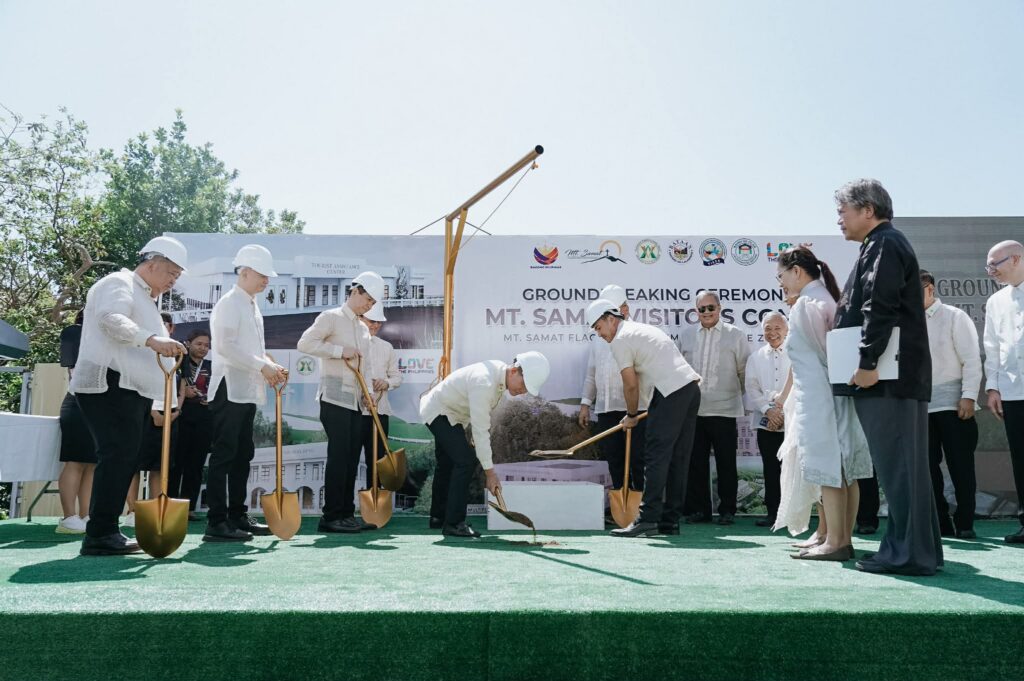
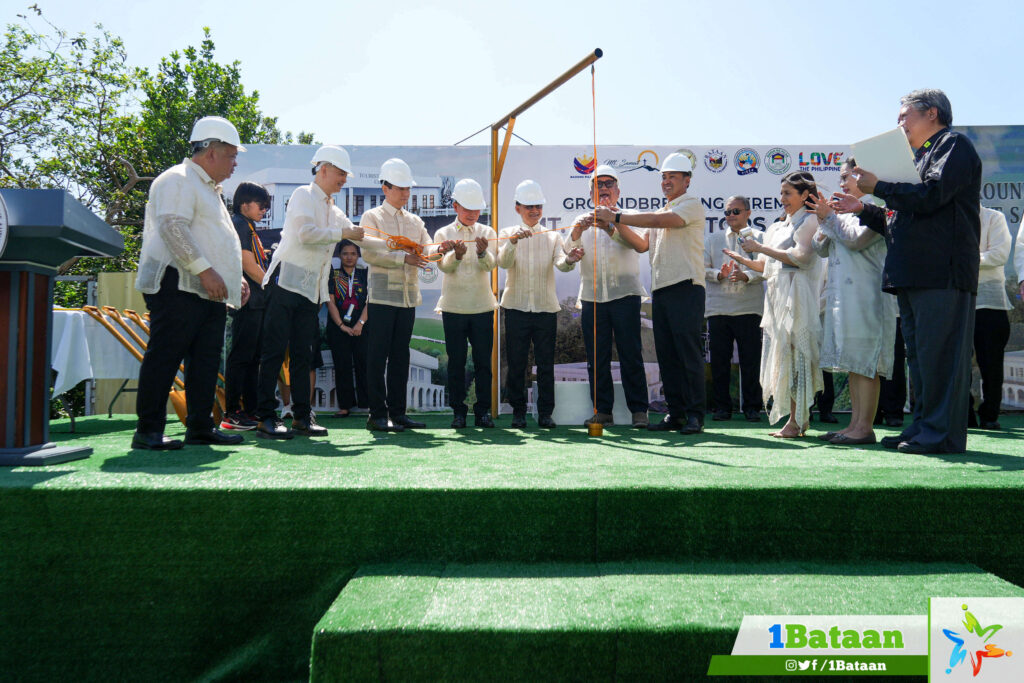
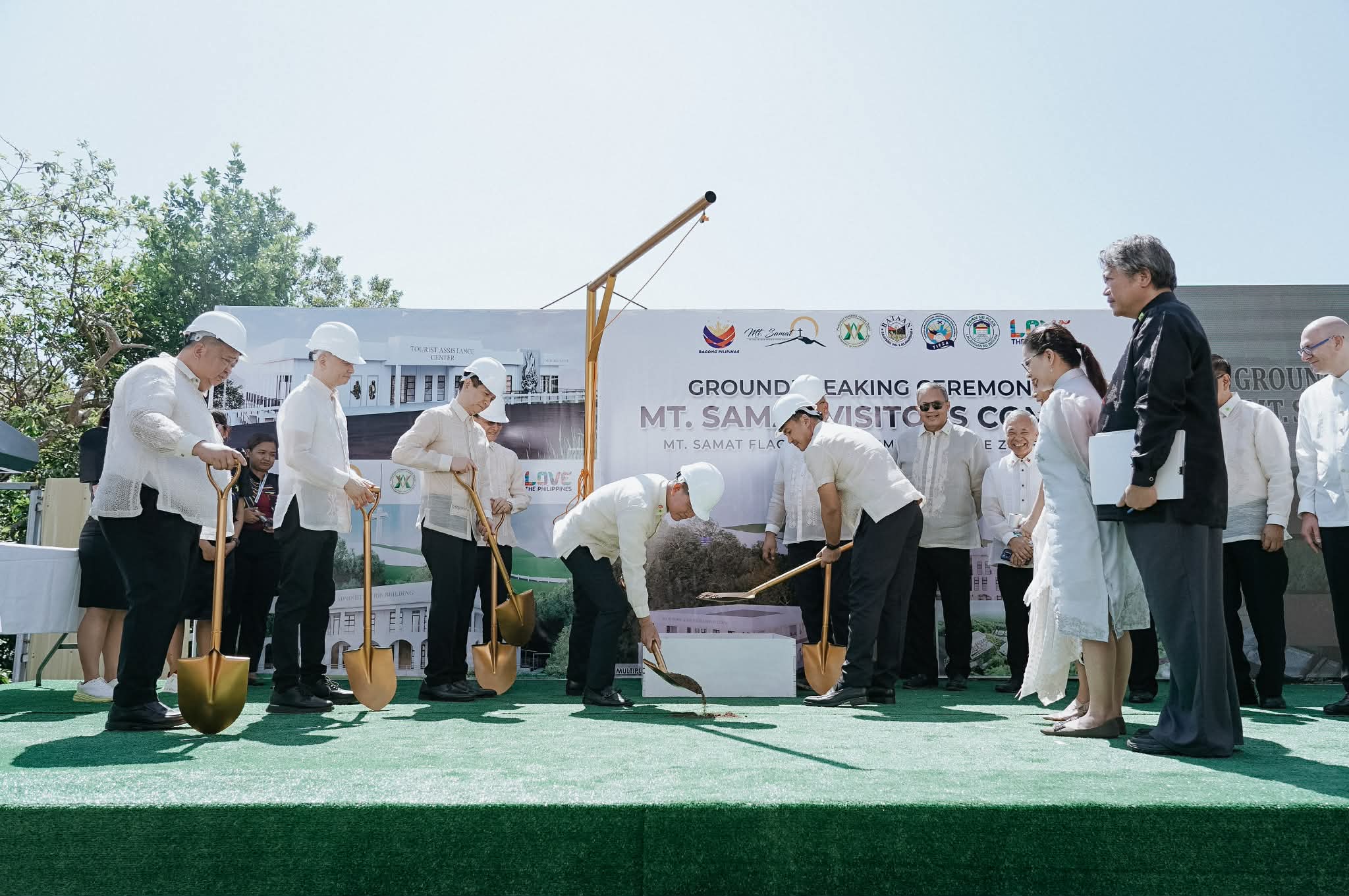
PILAR, Bataan –The proposed transformation of Mount Samat National Shrine in the upland village of Diwa, this town into a world-class memorial landmark in the country is now inevitable with the submission of the comprehensive master plan to the Tourism Infrastructure and Enterprise Zone Authority (TIEZA) board of directors for approval in June this year.
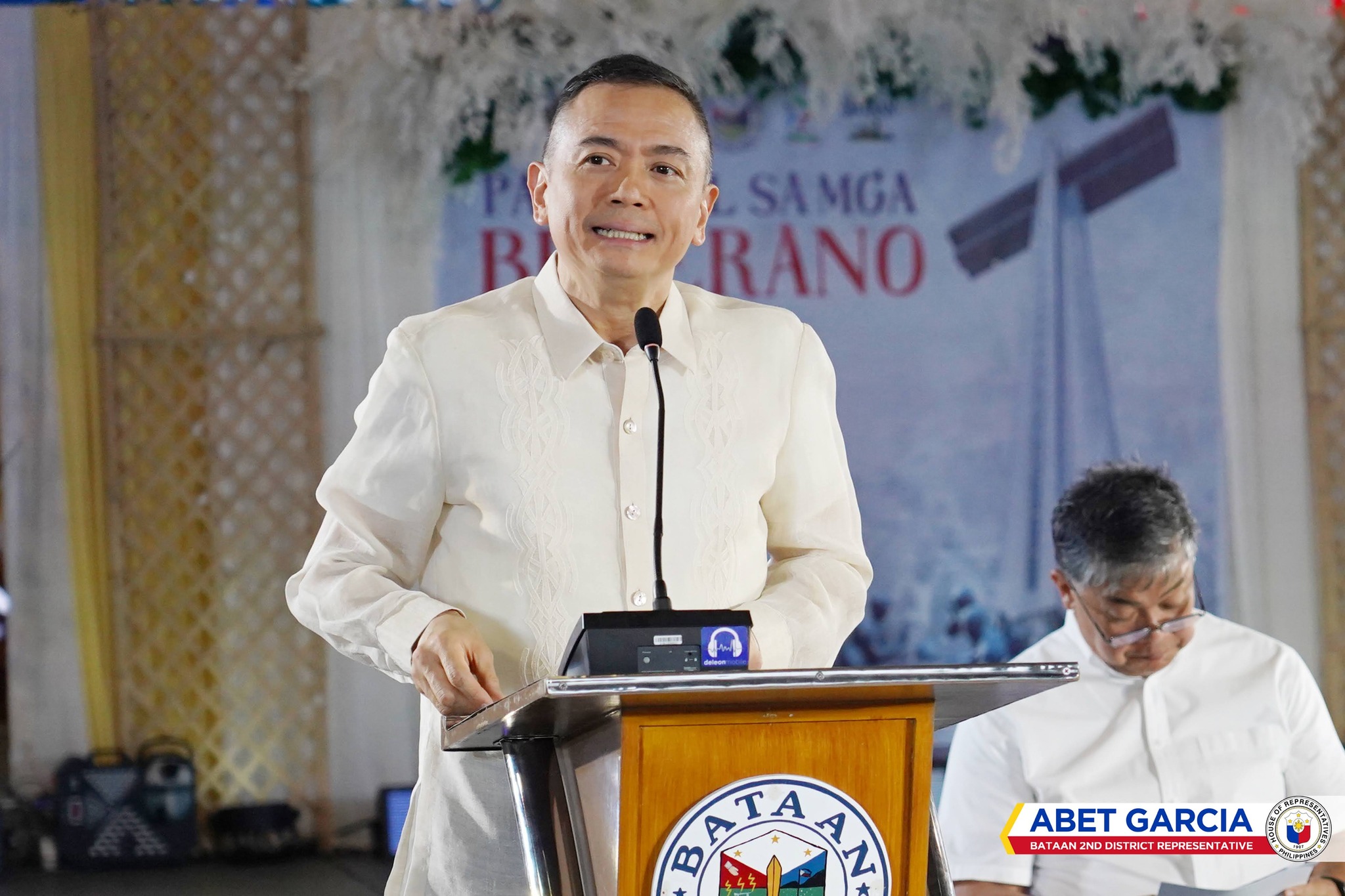
Bataan governor Albert Raymond S. Garcia told media men that the renovation of about 250 hectares of Mount Samat Shrine carefully crafted out of the master plan prepared by Berkman, an urban and environmental development planning firm, in consultation with the Bataan Peninsula Tourism Council Foundation illustrates the lasting tribute to the heroic struggle and sacrifices of the soldiers who fought and died in the historic bastion of freedom located in the heart of Bataan peninsula.
He said the Mount Samat Shrine, one of the five sites in the country identified as eco- tourism enterprise zones by TIEZA would provide generous fiscal and tax incentives, infrastructure and other sustainable support from concerned government agencies while preserving the sacredness of the memorial facilities.
After forty-six years the renowned battle site is finally converted into Mount Samat Shrine Tourism Enterprise Zone (MSSTEZ) under the flagship program of TIEZA, the second historical site created after Luneta Park in Luzon, is projected to attract two million visitors when completed by 2020.
Garcia underscored the pro-active strategies of the province’s technical working group of focusing on major improvements on the memorial cross, colonnade, museum, stage, open spaces and landscaped areas for sculptures, relics and other arts and other installations including the zipline area.
The adaptation of contemporary structures in the renowned Shrine of Valor from a simple historical location into a diversified ultra-modern tourism destination would further enhance the eternal memories which continues to linger in the hearts of the populace, Garcia said.
The governor explained the planned tourism attractions include tomb of unknown soldiers, center for World War ll, Swiss- type cable cars, hotels and resorts, revolving restaurant, retirement village, interfaith chapel, landscaped memorial/botanical garden, fruit orchard or organic agricultural areas, food and beverages establishments, café and entertainment parlor in the enterprise zone.
The upgrading of facilities inside the National Shrine complex would create more job opportunities to the residents, business enterprises growth in the field of souvenir shops and food outlets and other services which would bring eco-tourism dimension of progressive tourism industry.
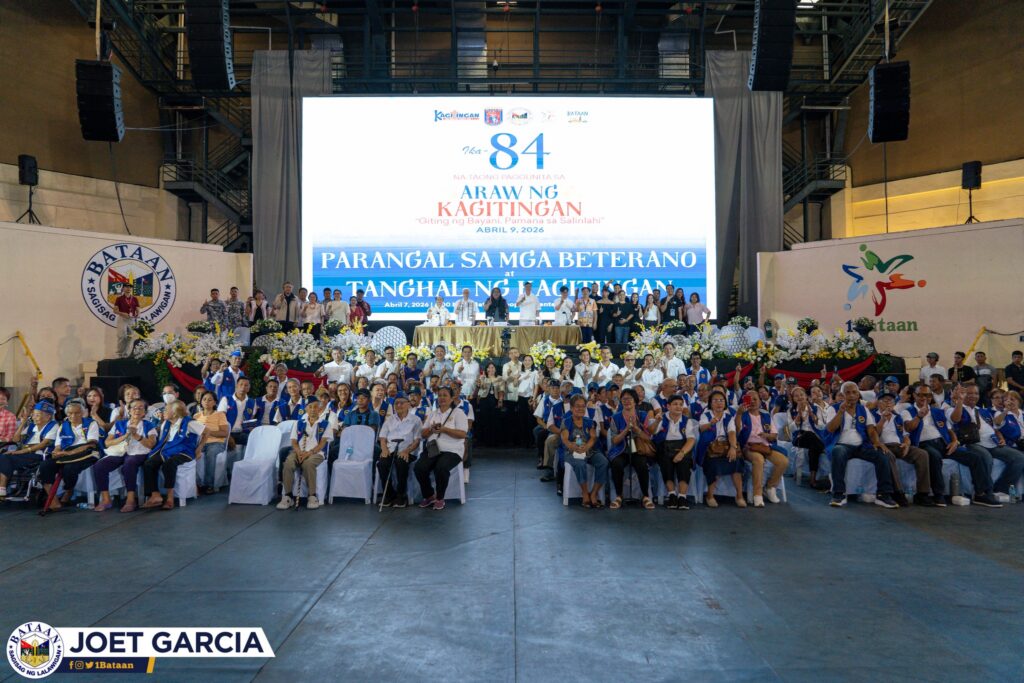
The Mount Samat National Shrine, built in 1970 remains the leading tourist destination in the province and Central Luzon. However the lack of first–class services/amenities like hotels, shops, eateries and other important tourist provisions resulted to foreign and local tourists rushing out after the celebration of the Araw ng Kagitingan rites.






 01
01
 02
02
 03
03

 04
04

 05
05