Integrating Bataan Tourism to English Language Teaching
Contributed by Joshua Genesis DC. Miralles – Teacher I, Luakan National High School, Dinalupihan, Bataan
“Begin where the students are”—is a truism many educators interpret as teaching a student a lesson appropriate to his/her age, interests and needs and developing it according to his/her prior knowledge and pace of learning.
…But, I beg to differ. I rather take that literally. “Begin WHERE the students are” might also mean teaching students a lesson in the context of their locality. This concept doesn’t veer away from the ideals of DepEd as its mission covers the passage, “To protect and promote the right of every Filipino to quality, equitable, culture-based, and complete basic education…”(Parcon, 2008).Localizing language lessons is doable for English teachers in Bataan. To exemplify, young Bataeños can be taught English lessons through discussion and fun activities about the founding of Bataan and its municipalities; the natural wonders and tourist destinations of the entire peninsula; its people and their lifestyle; and the current status of the province as a socio-political and economic Philippine territory. Lucky we are, as cited in the module written by retired EPS in Araling Panlipunan, Marita L. Navata (n.d.), Bataan boasts pristine forests, diverse wildlife,charming beaches, historical landmarks, longstanding churches, cool leisure parks, colorful festivities and hospitable people.
Indeed, there are a thousand and one things to talk and learn about Bataan’s tourism landscape that can be integrated to teaching a lot of skills in English without lulling students to sleep out of boredom.
On teaching direct and indirect speech, we can start motivating students by presenting blogs, video clips, and online comments of celebrities like Drew Arellano (‘Byahe ni Drew’) and Kris Aquino (‘Kris TV’) on their food trips and staycations around Bataan’s finest restaurants. Let students transform travelers’ comments on their food experience in Loleng’s Hu Tieu-an
a Vietnamese restaurant in Morong, Romalaine Seafood Restaurant and Leisure Park in Mariveles, as well as J2 Fastfood, Wanam, Espada Grill, Barriotik andJoyous’ Restaurantin Balanga City serving authentic Filipino dishes. As a form of assessment, we may ask students to give and exchange personal comments on the taste of cashew butter of Bagac, dried fish of Pto. Rivas, and gabi (taro) ice cream of Geno’s Ice Cream in Orani.
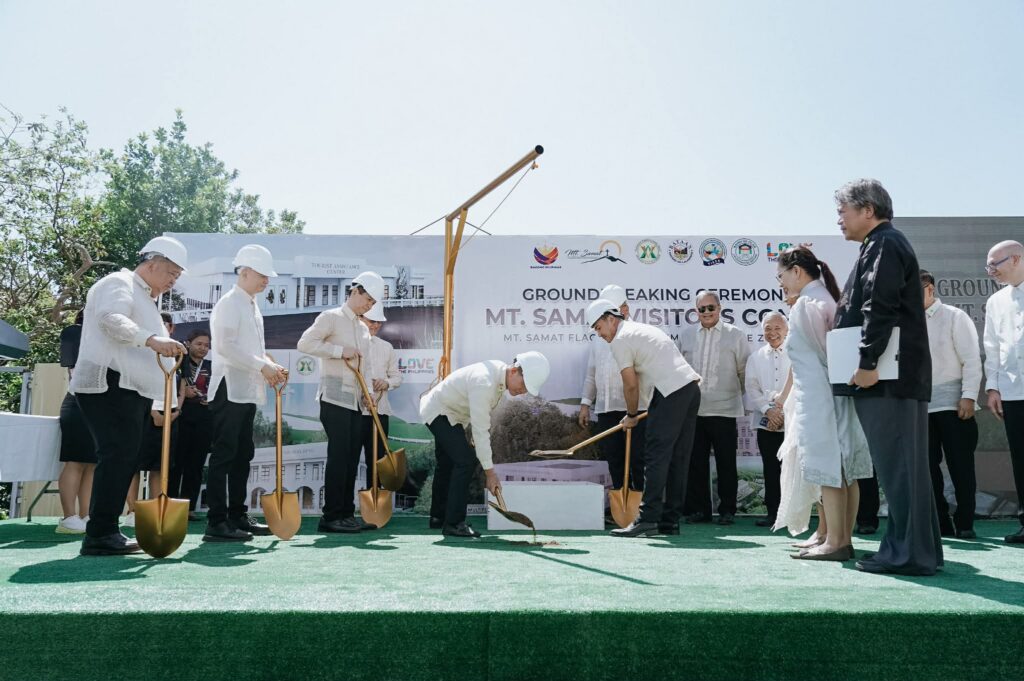
On teaching descriptive, narrative, and expository writing, we may stimulate our students’ senses and imagination by showing them pictures of ruined churches and the tragic Death March. We may let them vicariously explore Dambana ng Kagitingan in Mount Samat, Pilar, Bataancommemorating the gallantry of Filipinos and Americans who fought against the Japanese invaders;Zero KM Death March Marker in Bagac and Mariveles, Bataan reminding the holocaust-like tragedy met by civilians and soldiers marching to death; and thePhilippine Refugee Processing Center (also known as Vietnamese Village or PRPC)in Morong, Bataan.Through guided reading and research, we may bring to our students’ attention the value of transitional devices, intensifiers, degrees of adjectives and different tenses of the verbinthe historical accountsand tourism flyers and pamphlets. Using references, informal interviews and personal experiences on going around the Spanish-inspired Plaza Mayor de Balanga, Balanga Wetland and Nature Park teeming with mangroves and rare migratory birds, the breathtaking Sinagtala Farm Resort in Orani and the majestic Las Casas Filipinas de Acuzar in Bagac, our students may compose worth-to-read essays by description, comparison and contrast, and narration as modes of development.
On teaching word derivation, character sketches, facts and opinion,we could introduce the lesson by making our students guess how the names of the towns in Bataan came to being. This could also be done through focused listening activity telling how Bataan, Dinalupihan, Hermosa, Orani, Samal, Abucay, Balanga, Orion, Limay and Mariveles were coined from the the words ‘Vatan’, ‘Dinalupigan’, ‘Hermosa’, ‘Orang Mani’, ‘Samel’, ‘Abong Kinaykay’, ‘Banga’, ‘Udyong’, ‘Lima-ay’ and ‘Maria Velez’. For the motivation, teachers may give students a group exercise featuring the life of Cayetano Arellano, Tomas Del Rosario, Tomas Pinpin, Medina Lacson De Leon, Don Pablo Roman and Bonifacio Camacho. They may be asked to determine which streets, schools, and institutions were named after them; cite facts about them and intelligently give opinions on their contributions; and discuss how a character sketch is done using an outline.
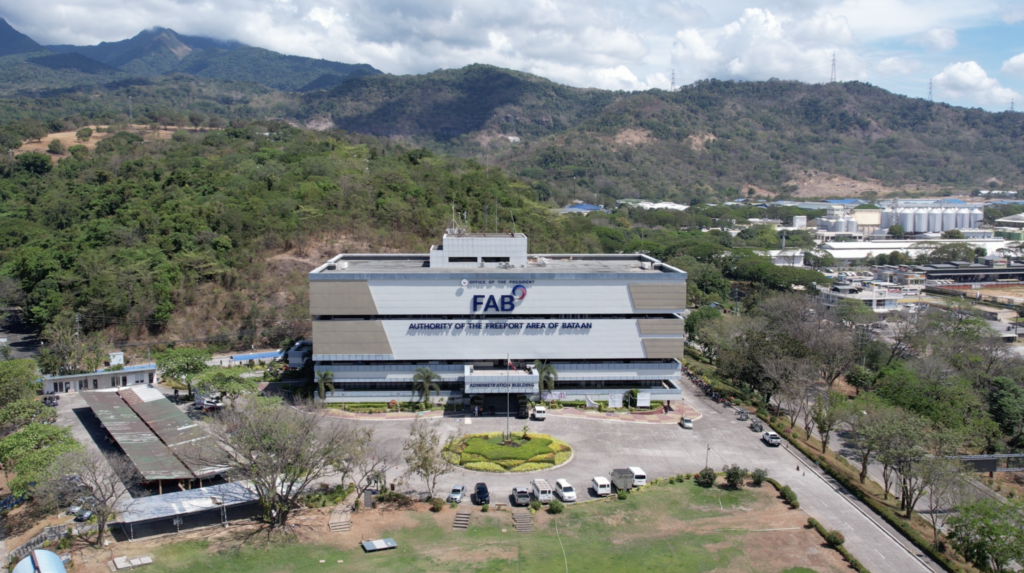
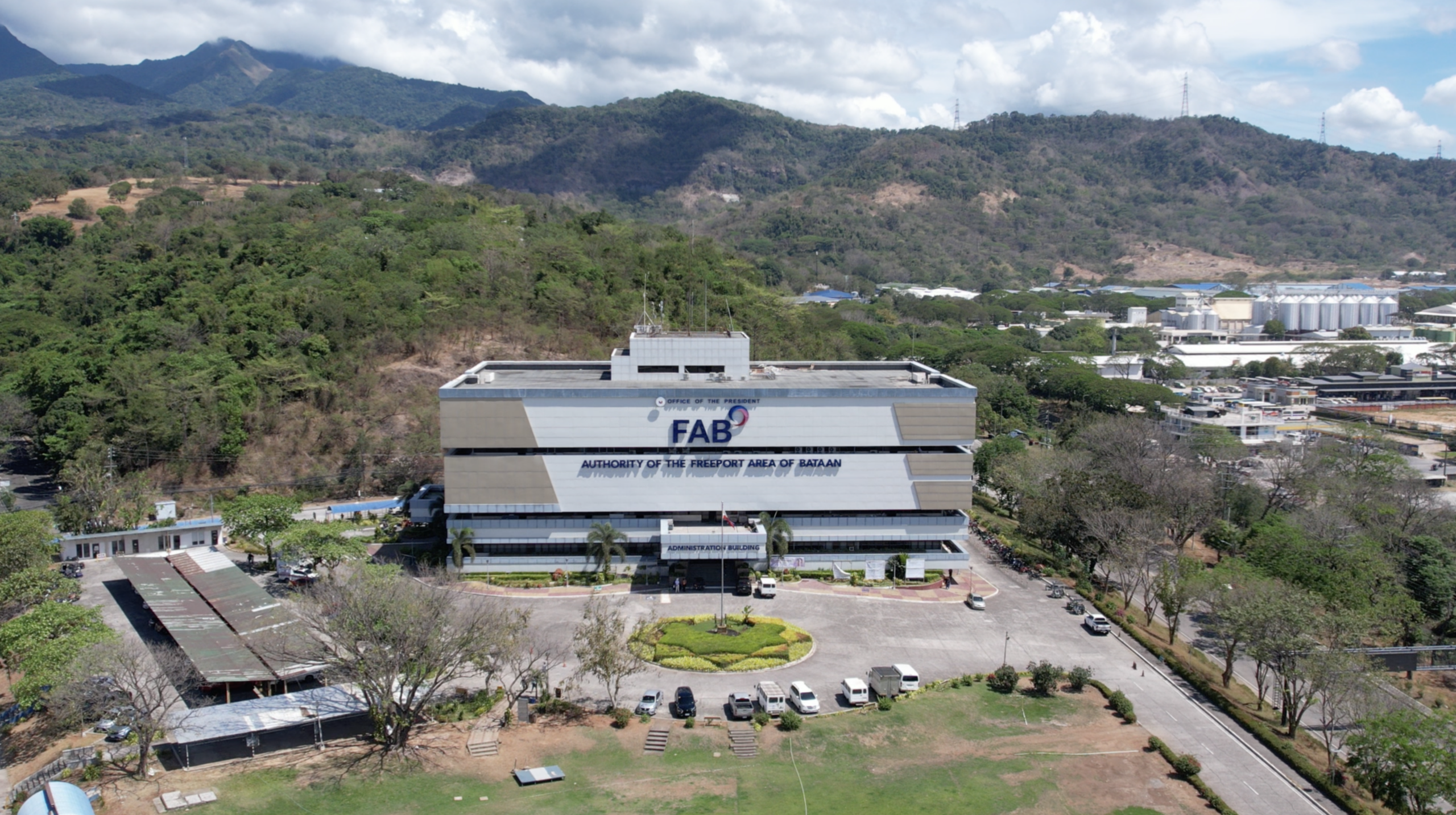
On teaching non-prose reading and interpreting charts and visual illustrations, we may use graphs and charts showing the demography of Bataan, statistics on the development of Economic Zones in Mariveles, Limay, Samal and Hermosa, and Revenue shares contributed by Arsenal (DND), NAPOCOR, Petrochem and Petron-Bataan Oil Refinery Corporation, Daelim Construction Co. in Limay, Bataan Pulp and Paper Mills and Charoenphokpand Foods Corporation in Samal and Freeport Area of Bataan in Mariveles to name a few.
The number of lessons in English that could be fused with lessons in geography, local history and community culturedepends on how resourceful the language teacher is. In the Division of Bataan, English teachers only have to be knowledgeable of Bataan’s socio-cultural and eco-political milieu and be creative enough to match local content to a given target communication skill. At the end of the day, we would make our students communicatively competent Bataeños by blood, by culture and by heart.
References:
http://ryanramoletepecson.blogspot.com/2014/06/localization-and-contextualization-in.html
http://www.gmanetwork.com/news/story/358629/newstv/biyahenidrew/history-and-adventure-a-biyahe-ni-drew-itinerary-to-bataan




 01
01
 02
02
 03
03

 04
04

 05
05