CITY of BALANGA, Bataan – From January 1 to December 31, 2015, the old banknote series can still be used for daily transactions.
From January 1 to December 31, 2016, the old banknote series can no longer be used for daily transactions and can only be exchanged in authorized agent banks and BSP Cash Department or any of its Regional Offices/Branches.
Starting January 1, 2017, the old bank notes will be demonetized. Only the new banknote series will remain as legal tender in the country.
These announcements were clarified this morning by Ms. Malou Laconsay, Bangko Sentral ng Pilipinas (BSP) Sr. Research Specialist; Mr. Jeffrey Ogtong also of BSP and Ms. Fritzie Quinoñes, President, Bankers Club of Bataan at the Bulwagan ng Bayan, Capitol Compound among department heads and other stakeholders of the Provincial Government.
During the orientation, Ms. Laconsay explained demonetization or the process of removing the monetary value of a legal tender currency by the issuing authority, in the case of the Philippines, this is the BSP. She also underscored that currencies all over the world are demonetized because this is the one way of safeguarding the integrity of the currency to protect it against counterfeits.
In fact, as a matter of practice central banks around the world change the design of their currencies that have been in circulation for over 10 years. Here in the Philippines, the old bank note series introduced in 1985 or 30 years ago, is being replaced by the New Generation Currency (NGC) launched in 2010.
Ms. Laconsay gave valuable tips on how to “know your money” or how to differentiate a genuine from a counterfeit by feeling, looking and tilting the currency. She also emphasized the 3S in trying to find out if a mutilated currency can still be exchanged: size, signature and security thread.
She said that a mutilated currency can still be exchanged for as long as: at least 60% of its size is retained, a portion of the signature is still intact and the security thread is likewise intact. She also warned that writing or putting marks on the currency and pulling the security thread are acts that are punishable by law according to PD 247.
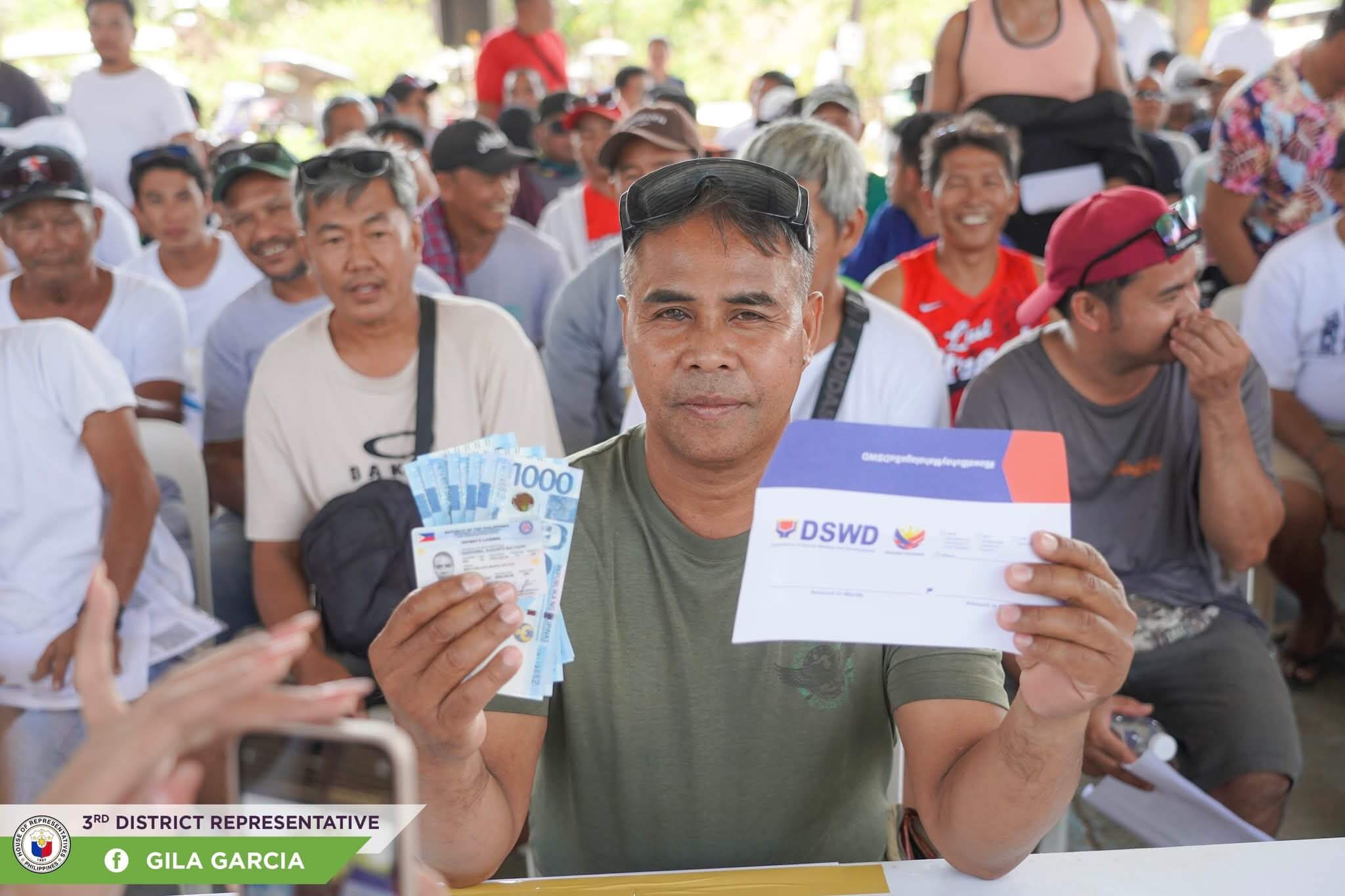
The size of the NGC remains the same as the old banknotes. However, it features the new BSP logo; security thread is wider; serial number is composed of 1 or 2 prefix letters and 6 or 7 digits which are increasing in size; the reverse side of the new notes features iconic natural wonders and species that can be found in the country and instead of the 8 denominations, there are only 6 denominations: 20-, 50- 100-, 200-, 500- and 1000-piso.
She also said that in case the currency gets wet, it should never be ironed to get dry for the seal will melt, which might lead to the currency to be suspected as a counterfeit
What makes our banknote distinct is that it is not made of polymer or plastic but of paper yet it is still durable because said paper is 80% cotton and 20% Philippine abaca (in support of the local abaca industry). Interestingly, said paper has a chemical that makes it antibacterial, antifungal and antimicrobial.








 01
01

 02
02
 03
03
 04
04
 05
05

