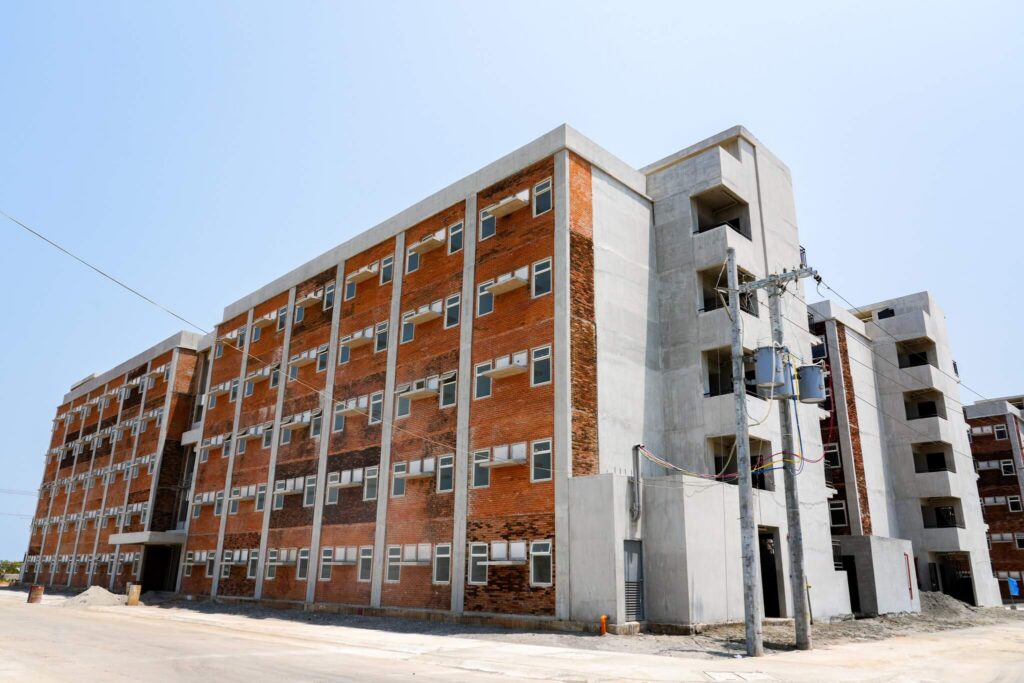
CITY of BALANGA, Bataan – Bataan Governor Albert Raymond S. Garcia is opting to construct socialized housing projects for employees in the two-industrial towns in Southern Bataan.
Board Member Dante R. Manalaysay, Sangguniang Panlalawigan (SP) Committee on Housing and Land Utilization chair , said Governor Garcia is pondering on the 100 hectares of public lands for the housing projects which are accessible, conveniently located and affordable for workers engaged in the operations of an oil refinery expansion and a coal powered plant in the coastal village of Lamao, Limay town and inevitable transfer of manufacturing firms to the Authority of Freeport Area of Bataan(AFAB) in Mariveles town.
Manalaysay has rationalized the importance of a housing zonal committee to confront the rising squatting problems in Bataan that the SP had approved Ordinance No. 02-2014 creating the Provincial Housing Board , the policy-making body on shelter and housing program that will properly address the reports of proliferation of informal settlers in various categories.
He cited one aspect of the social setback reportedly due to expanding local economy has which attracted job-seekers and informal settlers from nearby provinces and Metro Manila to build their shanties along river banks, roadsides, private and public lands. Homeless fishers coming from different provinces in the Visayas have constructed their houses in the coastal municipalities which reportedly need immediate relocation for their safety.
Manalaysay said at present only three towns, Dinalupihan, Samal and Bagac and Balanga City have established housing boards and started to undertake exhaustive inventory of areas with squatting problems and determine the exact number of illegal occupants.
Initial report shows out of the three towns and Balanga City, Dinalupihan town in northern Bataan has the highest number of recorded informal dwellers. Those identified illegal settlers reportedly came from Pampanga.
Manalysay added that the inventory of the informal settlers is a vital instrument to be the basis in improving the delivery of social and medical services and in upgrading the quality of life of the people in the community.






 01
01

 02
02
 03
03
 04
04
 05
05

