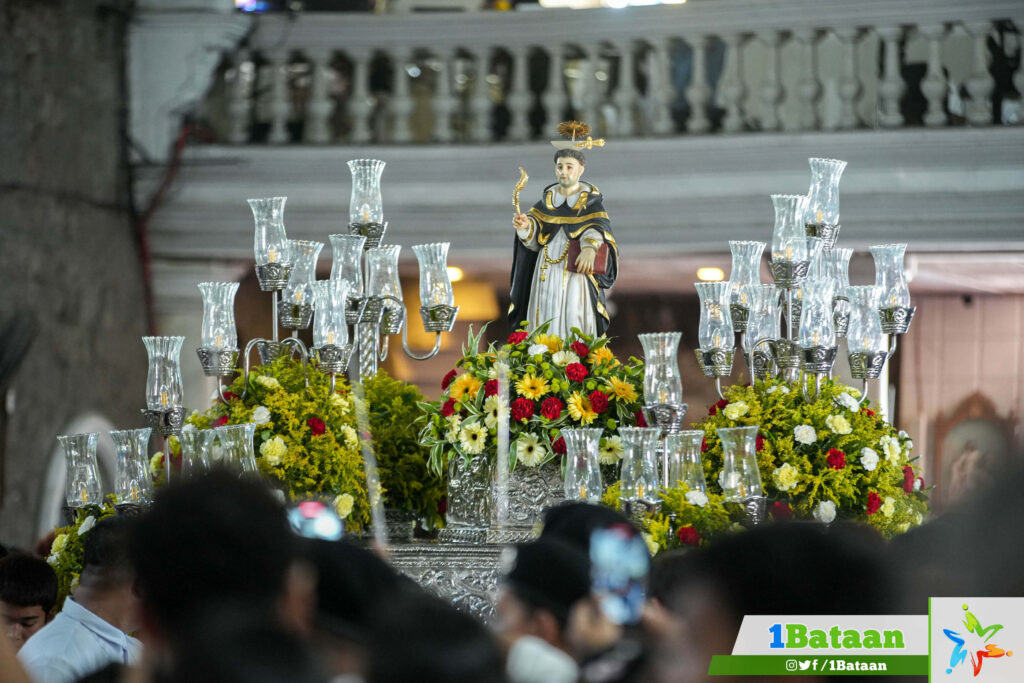
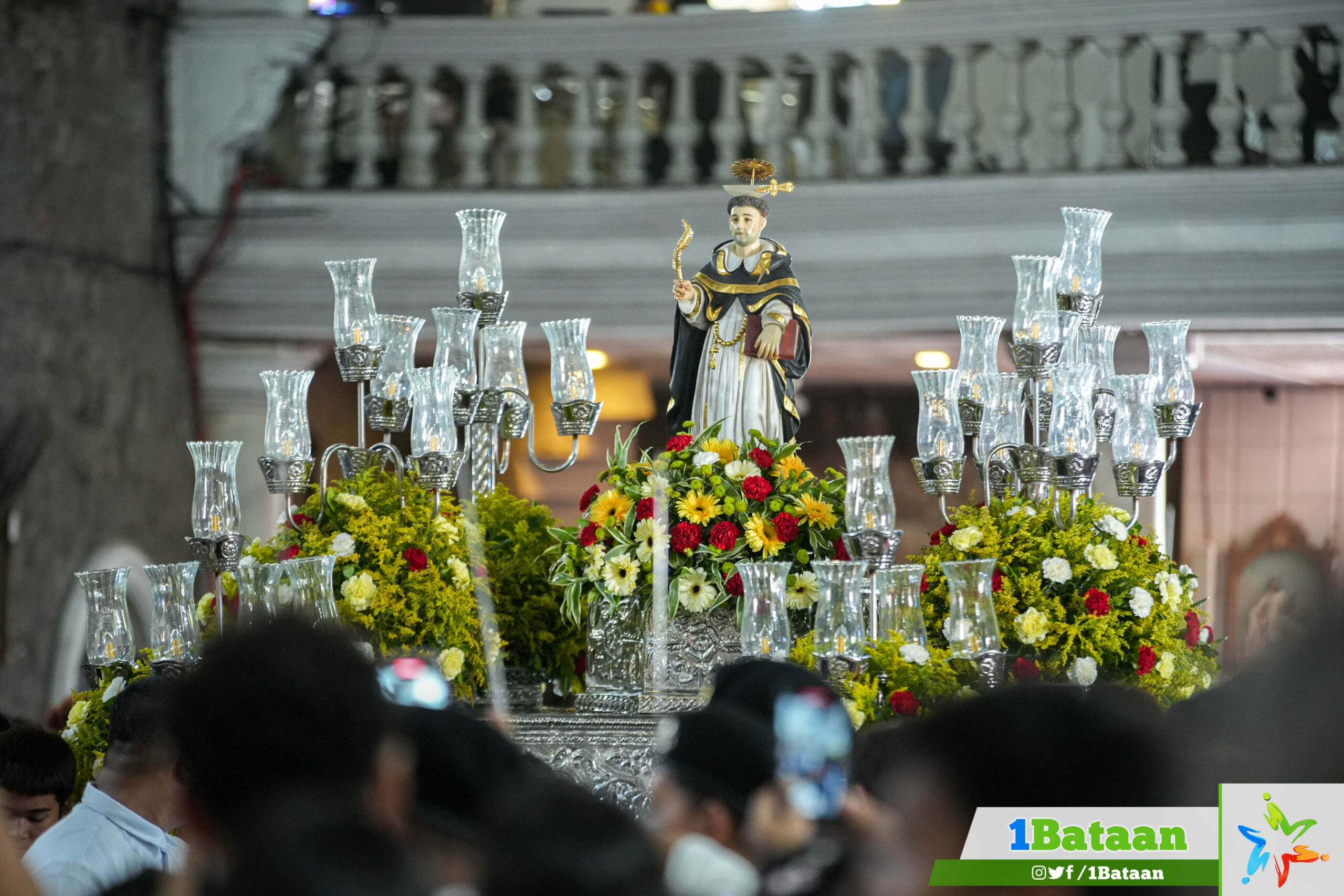
BALANGA CITY, Bataan – The Cathedral of St. Joseph in this fast rising component city was officially declared and elevated as the Cathedral Shrine of St. Joseph during formal rites held Thursday morning as devout Catholics mark the Feast of St. Joseph, known as the spouse of the Blessed Virgin Mary.
Balanga City Bishop Ruperto C. Santos led the Holy Mass at 8 a.m. in honor of the patron of the Diocese of Balanga. The decree of plenary indulgence from the Vatican was proclaimed and promulgated during the mass. Santos told newsmen here that they believe the Catholic faithful who will visit the cathedral shrine from March 18 until November 7 stand to gain a plenary indulgence or the removal of all temporal punishment due to sins.
History stated that during the Japanese invasion, the cathedral was used as an artillery emplacement to bombard Mt. Samat, where the Filipino-American troops made their last stand. It was later renovated by the first bishop of the Diocese, Celso Guevarra DD and made St. Joseph its patron saint.
After the second world war, Bishop Celso renovated the church. Its walls were white and a number of chandeliers hung from the ceiling, the largest before the altar. Behind the altar was a structure painted green with stripes of gold and a statue of Jesus in the left, Mary on the right, and St. Joseph holding the hand of Baby Jesus. Beside the altar, were two statues, St. Lorenzo Ruiz in the left and Mary at the right. There was a group of bells lined together vertically by metal grilles, the usual bell design in almost all of the parishes in Bataan.There was a statue of Jesus of Nazareth near the main door, which was kept for rehabilitation, believed to be miraculous. People lined up and gave sampaguitas to its neck and cross, they would usually wipe its feet.
When then Bishop (now Dagupan City Archbishop) and CBCP President Socrates Villegas was appointed he saw that the decorations were in bad shape that drove him to renovate the interior of the cathedral with a new design. When it was finished, the white walls were replaced by a wall of bricks, the structure behind the altar became marble white, the floors were higher and the chandeliers were replaced by ceiling lights.









 01
01

 02
02
 03
03
 04
04
 05
05

